About All Tours Airboat ToursBoat ToursFrom Fort LauderdaleFrom Miami ToursKayaking ToursAlligator ToursEco ToursPrivate Tours Directions Hours & Fees
Find Tours 
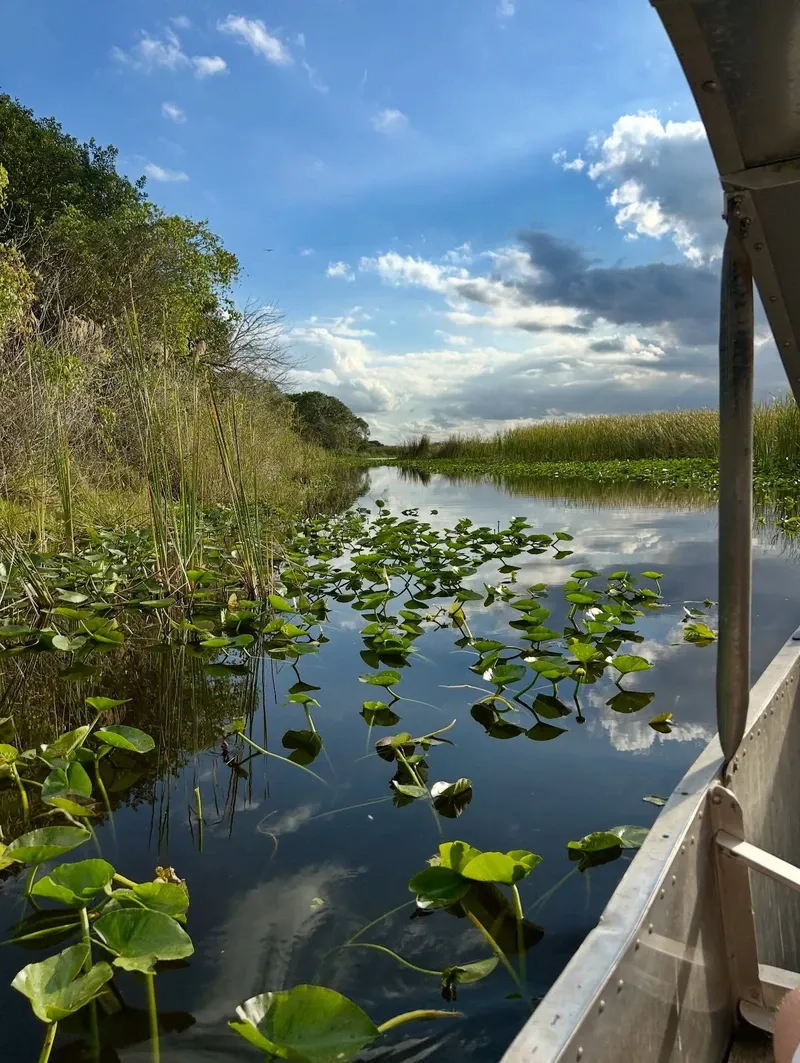
Spanning over 1.5 million acres across southern Florida, this UNESCO World Heritage Site protects nine interconnected ecosystems, including the largest continuous stand of sawgrass prairie in the Western Hemisphere. Visitors can walk the Anhinga Trail boardwalk over freshwater sloughs to spot wild alligators, or climb the 45-foot Shark Valley observation tower for panoramic views of the wetlands.
Find Guided ToursEverglades National Park spans 1,508,976 acres across the southern tip of Florida, located approximately 40 kilometers southwest of Miami. It stands as the largest designated subtropical wilderness reserve on the North American continent. This massive protected area encompasses nine interconnected ecosystems, ranging from hardwood hammocks and pinelands to freshwater sloughs and estuarine environments.
The region sits on a nearly flat seabed of active limestone substrate that was submerged at the end of the last Ice Age. Historically, a slow-moving sheet of water flowed southward from the Kissimmee River and Lake Okeechobee across these low-lying lands into Florida Bay. This hydrological system created the famous "river of grass" that now supports the largest continuous stand of sawgrass prairie and the largest mangrove ecosystem in the Western Hemisphere. It is also the only place in the world where alligators and crocodiles coexist in the wild.
The park holds multiple international designations, including as a UNESCO World Heritage Site, a Biosphere Reserve, and a Ramsar Wetland of International Importance. It serves as the most significant breeding ground for wading birds in North America. Beyond its ecological value, the wetland is highly practical for South Florida, as it recharges the Biscayne Aquifer to provide drinking water for millions of residents.
Human activity in the Everglades dates back 15,000 years to the arrival of Paleo-Indians. Archaic peoples later adapted to the region's wetter climate 6,500 years ago. During the 19th century, the Seminole and Miccosukee tribes sought refuge in these wetlands during the Seminole Wars, leaving behind a record of 200 known archaeological sites.
The push to protect the area began in 1928 when Ernest F. Coe pitched the idea of a national park. Congress designated the reserve in 1934, and it was officially dedicated on December 6, 1947. That same year, Marjory Stoneman Douglas published "The Everglades: River of Grass," a seminal book that warned the public about the ongoing degradation of this complex ecosystem.
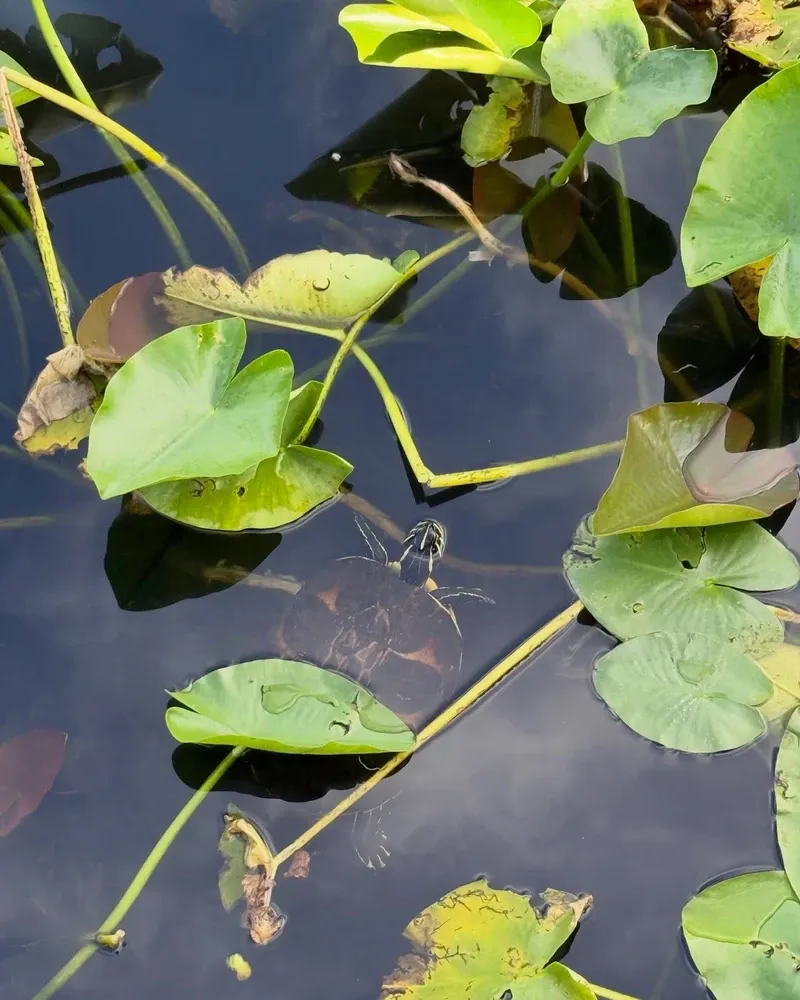
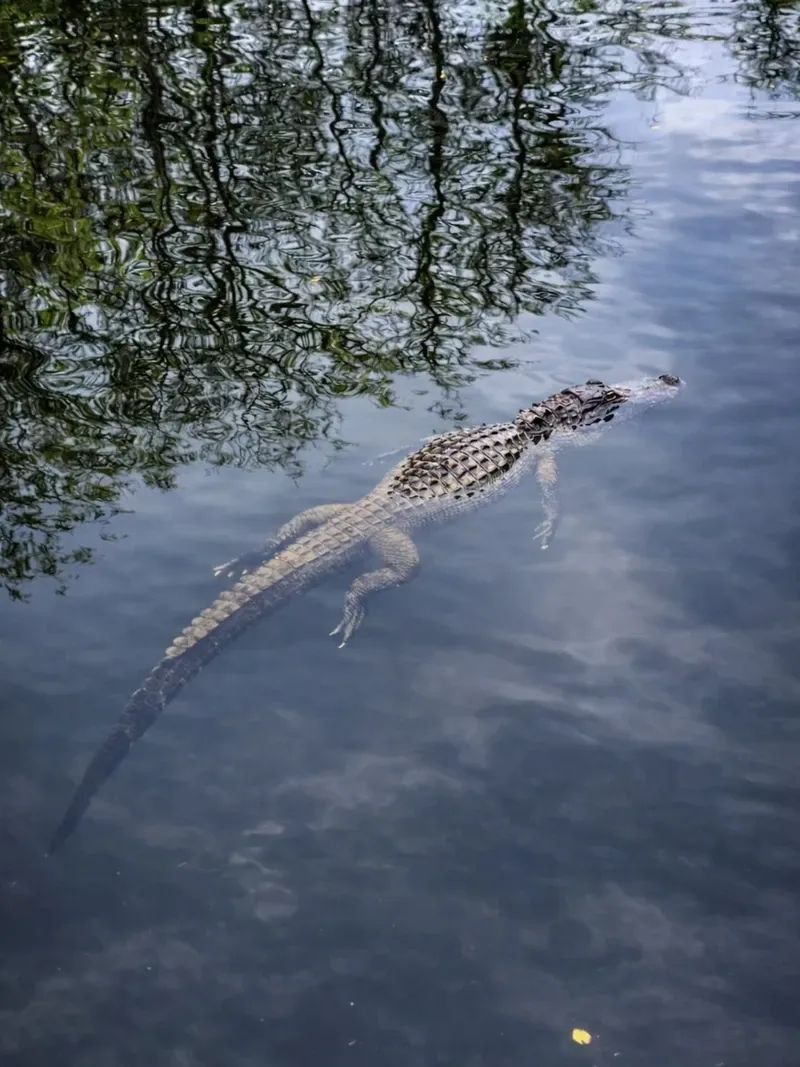
Discover the full history and cultural significance on our About page.
Ride an open-air tram on a 15-mile loop through the sawgrass prairie. A naturalist guide points out alligators and turtles along the two-hour route. At the halfway point, climb the 45-foot observation tower for panoramic views across the vast wetland ecosystem.
Walk along an accessible boardwalk directly over a freshwater slough. The Anhinga Trail puts you just feet away from wild alligators sunning on the banks. Watch wading birds, including herons and egrets, actively fishing in the shallow waters below.
Take a 90-minute naturalist-led boat excursion from the Flamingo Marina. The route heads deep into the Buttonwood Canal, Coot Bay, and Tarpon Creek. This safely navigates the transition zone between freshwater and saltwater habitats, providing rare opportunities to observe American crocodiles.
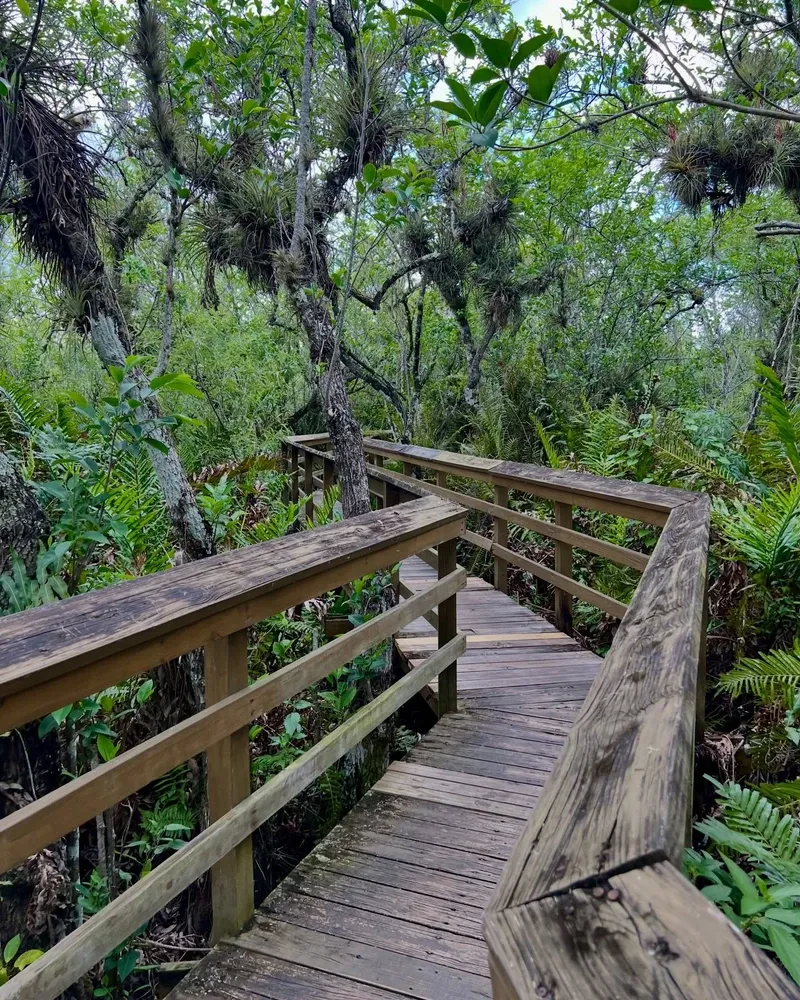
Follow a raised boardwalk through a dense island of tropical hardwood forest. The Mahogany Hammock Trail leads into the shade of ancient trees. Here, you will find the largest living mahogany in the United States surrounded by lush ferns and air plants.
Hand-picked tours with free cancellation and verified reviews
 Free Cancellation
  Free Cancellation 1h
  Free Cancellation 5h
  Free Cancellation 1h 30min
  Free Cancellation 30min
 Free Cancellation 1h 30min
  Free Cancellation
 The dry season, running from December through April, is the most comfortable time to explore the park's 1.5 million acres. Lower temperatures and reduced humidity make outdoor activities pleasant, while wildlife concentrates around remaining water bodies.
March and April offer comfortable dry season conditions with excellent wildlife viewing. May transitions into the wet season, bringing extreme heat, high humidity, and the arrival of heavy rainfall and mosquitoes.
The wet season dominates summer with extreme heat, high humidity, and heavy rainfall. Biting insects become incredibly abundant, seasonal flooding limits trail access, and many ranger programs are significantly reduced.
Wet season conditions persist through autumn, featuring extreme heat, high humidity, and heavy rain. Mosquitoes remain intense in vegetated areas, and seasonal flooding can occasionally impact outdoor comfort and trails.
Winter falls entirely within the dry season, offering lower temperatures and reduced humidity. Wildlife concentrates around remaining water bodies, creating ideal conditions for spotting alligators and wading birds.
The Homestead Main Entrance operates 24 hours a day, 365 days a year. The Shark Valley entrance gate on U.S. 41/Tamiami Trail is open daily from 8:30 a.m. to 6:00 p.m. Visitor center hours vary; for example, the Marjory Stoneman Douglas Visitor Center operates daily from 9:00 a.m. to 5:00 p.m.
| Category | Price |
|---|---|
| Private vehicle | $35.00 |
| Motorcycle | $30.00 |
| Pedestrian or cyclist (ages 16 and older) | $20.00 |
| Children (15 and under) | Free |
| Nonresident surcharge (non-U.S. residents ages 16+, effective Jan 1, 2026) | $100.00 |
| Commercial vehicle (7-15 seats) | $125.00 |
| Commercial vehicle (16-25 seats) | $200.00 |
Standard entrance passes are valid for seven consecutive days at all park entrances. Visitors should purchase digital passes online before arriving to reduce wait times at the gates. In-person purchases are restricted to credit or debit cards only.
For complete schedules and ticket prices, visit our Hours & Fees page.
Everglades National Park is located approximately 40 miles southwest of Miami. Because the park spans over 1.5 million acres and its three main entrances do not connect internally, a personal vehicle is highly recommended for navigation.
📍 Palm Drive (State Road 9336), Homestead, Florida
Driving is the most practical way to access the park's isolated entrances. From Miami, take the Florida Turnpike (Route 821) south until it merges with U.S. 1 at Florida City. Turn right onto Palm Drive (State Road 9336) and follow the signs directly to the main gate. The drive spans about 40 miles and takes one hour.
The City of Homestead provides a seasonal public transit option to the Ernest F. Coe Visitor Center and Royal Palm. This service operates from December through April, covering the 10-mile distance from downtown Homestead. Visitors should check the city's website for current schedules and required reservations. The ride itself is complimentary, though standard park entrance fees still apply.
On-demand ride services can transport you to the park from surrounding cities like Miami. However, the park's remote locations have extremely limited to nonexistent cellular service. This makes it nearly impossible to request a return trip using a mobile app. Visitors using this method must make firm alternative return arrangements with their driver before being dropped off.
For detailed transport options and routes, visit our Directions page.
Purchase your digital entrance pass before arriving at the gates. This simple step significantly reduces wait times at the busy Homestead and Shark Valley stations, especially during congested winter weekends. Standard vehicle passes cost $35.00 and remain valid for seven consecutive days across all entrances.
Do not rely on Uber or Lyft for your return trip without making prior arrangements with your driver. The remote sections of the park have extremely limited or nonexistent cellular service. You will likely be unable to request a ride back to Miami or Homestead if you get stranded.
The three main park entrances do not connect internally. Traveling between the Ernest F. Coe, Shark Valley, and Gulf Coast entrances requires driving outside the park boundaries. Factor this into your itinerary, as each location is at least a one-hour drive apart.
Pack binoculars or a telephoto camera lens for safe animal observation. Park rules strictly mandate maintaining a distance of at least 15 to 20 feet from wild alligators and crocodiles. Proper optics allow you to view the wildlife closely without violating safety protocols or risking an unpredictable attack.
Keep your dogs and cats out of the park whenever possible. While allowed in parking lots on a leash, pets are strictly prohibited on most trails. Wild predators like alligators and crocodiles actively view small domestic animals as prey, making trail walks highly dangerous for them.
Do not pack a drone, quadcopter, or model airplane for your visit. The National Park Service strictly prohibits all unmanned aircraft throughout the entire reserve. Standard still photography and filming are permitted in public areas without a permit, provided you use hand-carried equipment.
This massive preserve protects a swamp ecosystem dominated by towering cypress trees. Visitors can navigate scenic drives, hike trails, and spot alligators and rare birds in a rugged wilderness setting.
This specialized refuge is dedicated to preserving the habitat of the highly endangered Florida panther. It provides excellent hiking and wildlife viewing opportunities across pine flatwoods and wet prairies.
This local museum features interactive exhibits covering the history and culture of the region. Visitors learn about early pioneers, Native American tribes, and massive 20th-century drainage projects.
Read what travelers share about their experience visiting Everglades — from practical tips to personal highlights.
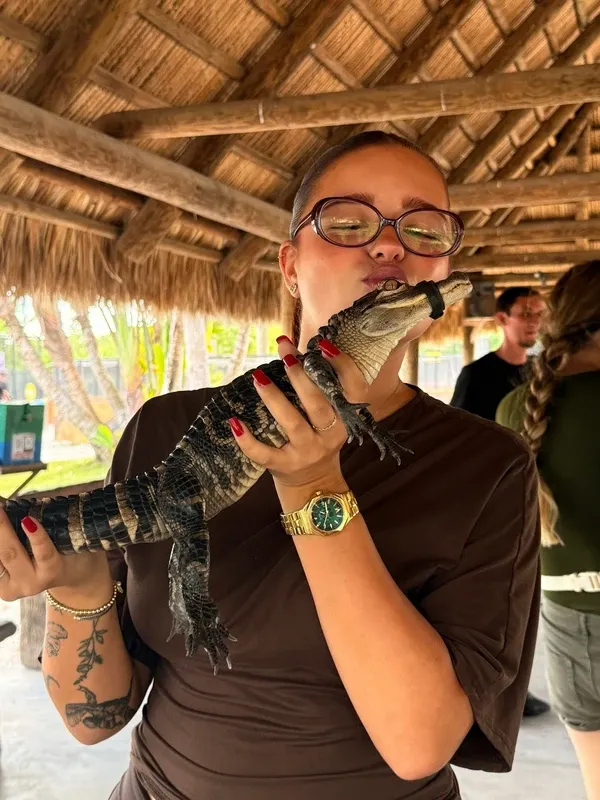
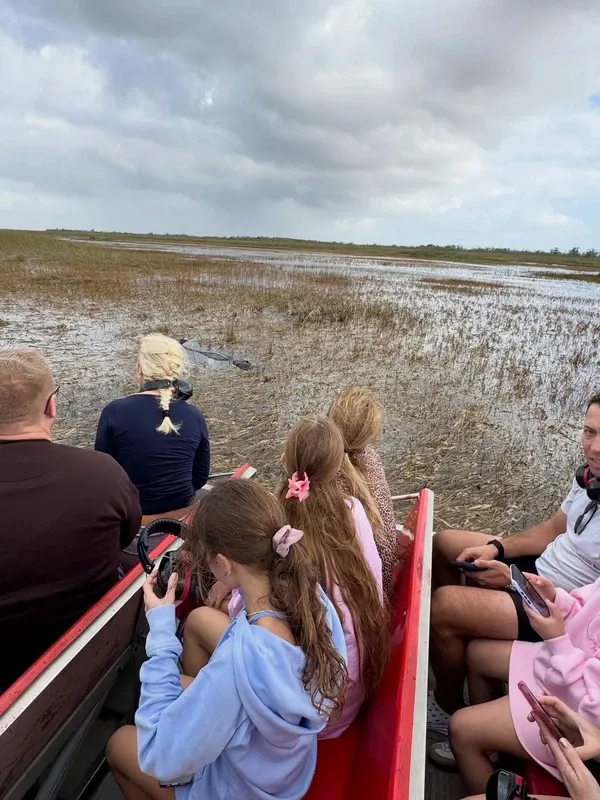
The standard entrance fee is $35 per private vehicle, $30 for motorcycles, and $20 for pedestrians or cyclists, which grants access for seven consecutive days. Starting January 1, 2026, non-U.S. residents aged 16 and older must pay an additional $100 nonresident fee. Purchasing a digital pass online prior to arrival helps reduce wait times at the entrance gates.
The dry season, running from December through April, is the most comfortable time to visit due to lower temperatures and reduced humidity. During these months, wildlife such as alligators and wading birds concentrate around remaining water bodies, making them much easier to spot.
The main entrance in Homestead is open 24 hours a day, 365 days a year. However, the Shark Valley entrance gate on U.S. 41 operates on restricted hours and is open daily only from 8:30 a.m. to 6:00 p.m.
The Ernest F. Coe Visitor Center is located approximately 40 miles south of Miami, which takes about an hour to drive via the Florida Turnpike and U.S. 1. A personal vehicle is highly recommended because the park's three main entrances are separated by at least a one-hour drive and do not connect internally.
The City of Homestead operates a free seasonal trolley service to the Ernest F. Coe Visitor Center and Royal Palm trails. This 10-mile route takes about 30 minutes and typically runs from December through April, though passengers must still hold a valid park entrance pass.
Bring plenty of drinking water, high-energy snacks, and strong insect repellent to handle the subtropical climate. You should wear quick-drying clothing, closed-toe shoes, and pack rain gear for sudden downpours. A camera with a telephoto lens or binoculars is also essential for safely viewing wildlife from the required 15 to 20 feet away.
Yes, the park features flat terrain with several accessible options, including the paved 1-mile Guy Bradley Trail and the elevated Anhinga Trail boardwalk. Visitor centers are equipped with ramps or elevators, and wheelchairs are available to borrow on a first-come, first-served basis. Concession tours, like the 15-mile Shark Valley tram, also provide ramp access and designated wheelchair spaces.
Wilderness camping permits are required for all backcountry sites. These must be booked online through recreation.gov and cost a $21 administrative fee plus $2 per person, per night.
Browse verified tours with free cancellation and instant confirmation.
Find Tours